ERP Systems
ERP System for Growing Businesses: When Spreadsheets Stop Being Enough
A practical guide to when a growing business should move to an ERP system, what pain points it solves, and what to evaluate before rollout.
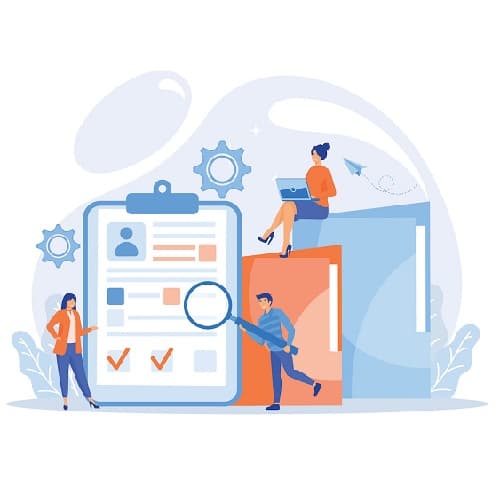
Why teams outgrow disconnected tools
Most businesses do not wake up one morning and decide to buy an ERP. The change usually starts with operational friction: stock data does not match finance records, HR keeps re-entering employee details, and leadership waits too long for reliable reports.
What an ERP system actually changes
An ERP system brings core business processes into one operating environment. Sales, purchasing, inventory, HR, payroll, accounting, and approvals stop living in separate files that drift apart over time.
Signs your business is ready
- Teams are entering the same data in more than one place
- Month-end reporting takes too long
- Managers struggle to see branch or department performance in real time
- Approval workflows depend on calls, chats, or paper trails
- Errors between inventory, payroll, or finance are becoming expensive
What to evaluate before implementation
- Clarify which departments need to go live first.
- Map the reports leadership expects every week and every month.
- Decide which integrations are essential from day one.
- Clean current data before migration begins.
- Assign internal process owners, not just software users.
Final thought
The right ERP system does more than digitize paperwork. It gives management a shared source of truth and enough visibility to make faster, better operational decisions.
Related Solutions
Products that match this guide
Tessera ERP
Connect inventory, purchasing, accounting, HR, POS, and reporting in one business platform.
Explore Tessera ERPTessera POS
Run fast checkout, inventory sync, M-PESA payments, branch reporting, and retail controls.
Explore Tessera POSTERP Accounting
Manage reconciliations, AP/AR, VAT reporting, budgets, cashflow, and audit-ready controls.
Explore AccountingKeep Reading
More Articles

ERP Modules Every Business Should Prioritize First
Not every ERP rollout should start with every module. Here is how to prioritize the modules that create the fastest operational impact.
Read article →
How to Run a Multi-Store Business Like a Pro
Learn how to efficiently operate businesses with multiple locations and warehouses. Discover strategies, best practices, and how ERP systems can help streamline your operations.
Read article →Time Attendance System: How Growing Teams Track Hours Without Spreadsheet Chaos
A practical look at how a modern time attendance system improves punctuality, payroll accuracy, and shift visibility for growing businesses.
Read article →